
What Are Split Payments? Definition, How They Work, and Business Benefits
Split payments let multiple people pay for one purchase in a single checkout. Learn what split payments are, how they work, use cases, and why businesses use them to increase conversions and reach more customers.

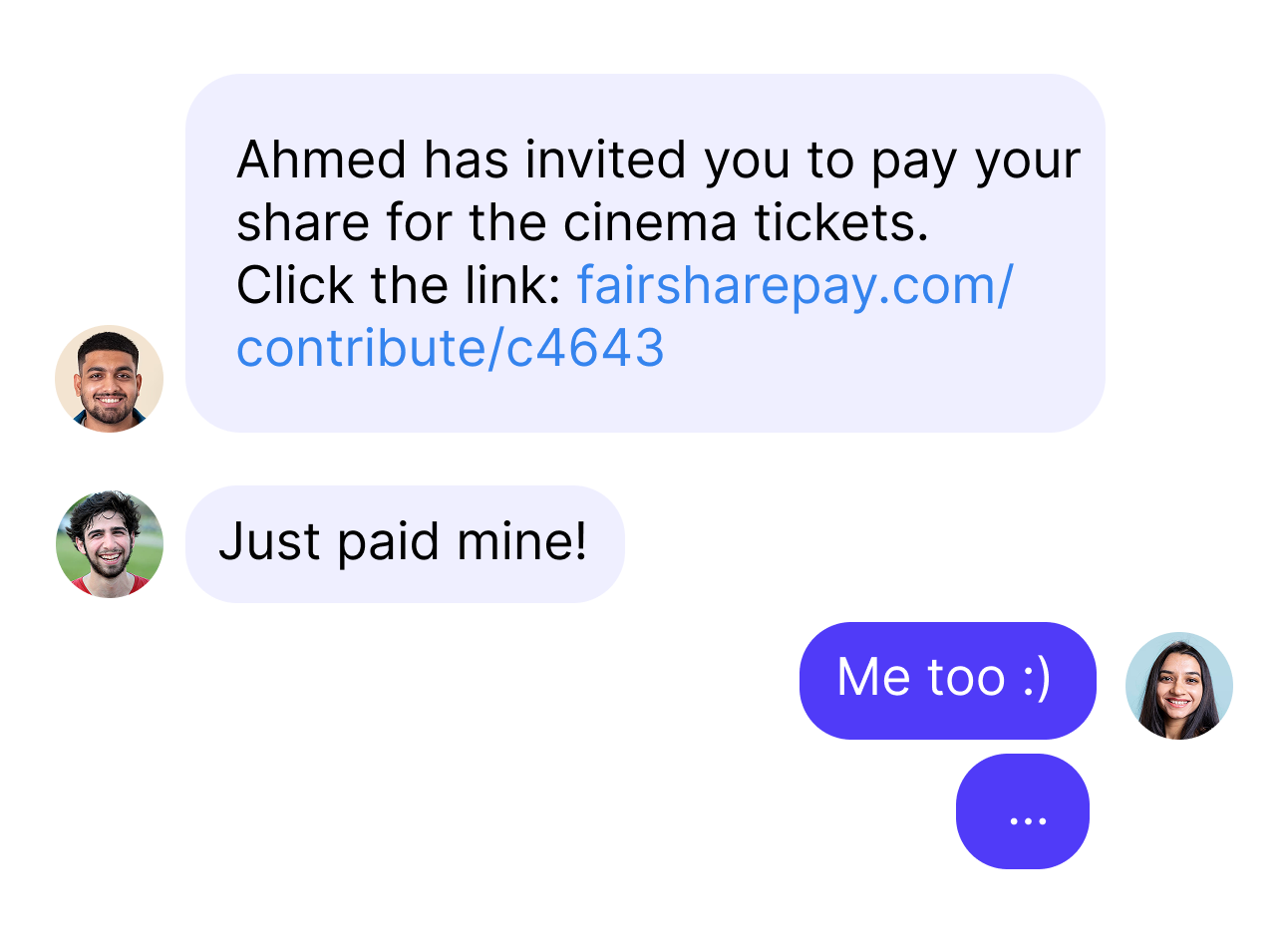
Split payments let multiple people pay for one purchase inside a single checkout experience.
Instead of one customer paying the full amount and collecting money later, the purchase is shared. Each person contributes their portion directly, and the order completes once the total is covered.
This is not just a convenience feature. Split payments can help businesses increase conversion for shared purchases, reduce payment friction, and turn one checkout into multiple customer relationships.
What are split payments
Split payments, sometimes called group payments or multi-payer checkout, are a payment flow where:
- One purchase, one order, one invoice, or one reservation
- Is funded by multiple contributors
- Through separate payments
- Tracked under the same checkout
In simple terms: one checkout, many payers.
Split payments are different from installment payments, where one person pays over time, and different from split settlement, where a platform splits funds to multiple recipients. Here, the split is about multiple customers paying toward one total.
How do split payments work
A typical split payment flow looks like this:
- A lead customer starts the checkout and selects the item or service
- They choose to split the total using equal split, custom amounts, or pay what you want
- They invite others to contribute via a shareable link, QR code, or direct invites
- Each contributor pays their share using their own card or wallet
- The purchase completes when the total is reached or a required threshold is met
- Everyone receives confirmation and status updates
Behind the scenes, the business sees one order with multiple contribution records that are clear, auditable, and easy to reconcile.
When do split payments make sense
Split payments are ideal when a purchase is naturally shared. Common examples include:
- Group gifts
- Friends buying together
- Families sharing costs
- Teams and communities collecting contributions
- Events and experiences where multiple people benefit
- High-ticket items shared across a group
If customers already use messages or transfers to settle up, that is a strong signal split payments could reduce friction.
Why businesses use split payments
1) Higher conversion for shared purchases
When the cost is shared, the barrier to purchase drops. Customers do not need to cover the full amount upfront.
2) Less pay me back later friction
Businesses lose sales when purchases depend on informal reimbursements. Split payments make commitment immediate and structured.
3) Turn one checkout into multiple customers
A traditional checkout captures one identity. Split payments can capture multiple contributors with proper consent, meaning one purchase can create several customer profiles.
4) Built-in reach through sharing
Split checkouts are naturally shareable. Each contributor sees the product and brand during a high-intent moment when they are paying.
5) Better insights into social buying behavior
Split payments reveal patterns like average group size, time to complete, and which products are commonly shared. These insights help improve offers, pricing, and marketing.
Split payments vs similar concepts
Split payments vs installments
Split payments are many people paying one total. Installments are one person paying over time.
Split payments vs split settlement
Split payments are multiple payers funding a purchase. Split settlement is one payment divided to multiple recipients such as vendors or partners.
Split payments vs tipping
Tips are optional add-ons. Split payments are structured contributions toward the main total.
What makes a good split payment checkout
A great split payment experience should be:
- Fast for contributors, join and pay in seconds
- Transparent with clear totals, paid amount, and remaining amount
- Flexible with equal split, custom amounts, and partial funding rules
- Trustworthy with clear merchant branding and security
- Consent-driven with clear opt-ins for receipts and marketing
- Operationally clean with easy reconciliation and clear refund rules
The takeaway
Split payments are a modern checkout flow that matches how people actually buy together.
They help customers pay fairly and instantly, and they help businesses improve conversion, increase reach, and build multiple customer relationships from a single purchase.
If shared purchases show up in your business, even occasionally, split payments can turn that behavior into a smoother experience and a measurable growth lever. Start with the merchant guide or visit our services.